
LiFePO4 Battery Energy Storage Supplier China: What the Quote Includes
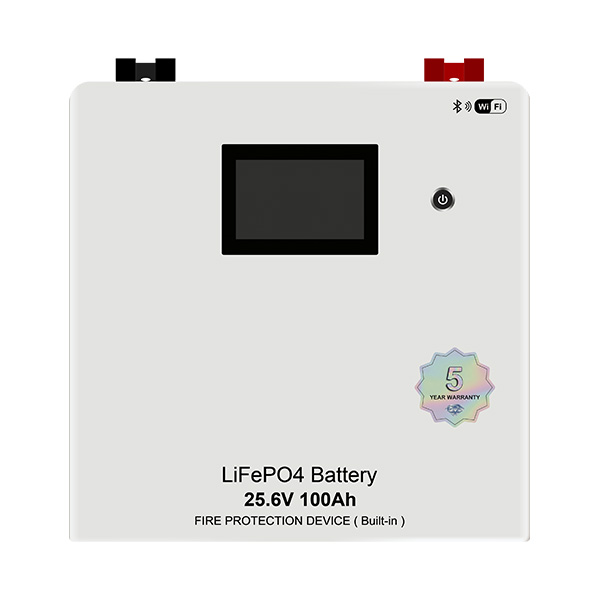
Quick Answer: a dependable LiFePO4 battery energy storage supplier China buyers can shortlist will put four things in the quote before asking for a deposit: the exact cell spec and grade behind the 25.6V pack, a written BMS protocol list matched to your inverter, the physical fire protection device fitted inside the enclosure, and freight documents that clear customs. Our line in Linyi builds 25.6V packs in 100, 200 and 300 Ah with LCD monitoring, Bluetooth and WiFi. Use this checklist to turn a one-page quote into something you can actually audit.
What a Serious LiFePO4 Battery Energy Storage Supplier China Should Put in Writing
Most quotes fail before production starts, because nobody pinned down the cells. A 25.6V nominal pack is eight LiFePO4 cells in series at 3.2V each, and the quote should name the cell model, the grade, and whether the batch is matched. Grade matters more than brand on a label: an A-grade matched batch keeps the eight cells balanced through daily cycling, while mixed stock drifts within a year and drags usable capacity down with it. Ask what test conditions sit behind the cycle-life number too. A figure quoted at 0.5C and 25 degrees Celsius tells you something; a bare number tells you nothing. The 25.6V 100Ah wall-mounted unit is a good reference point for what a complete listing looks like, including the built-in fire protection device called out on the label.
BMS and Inverter Compatibility: Ask for the Protocol List
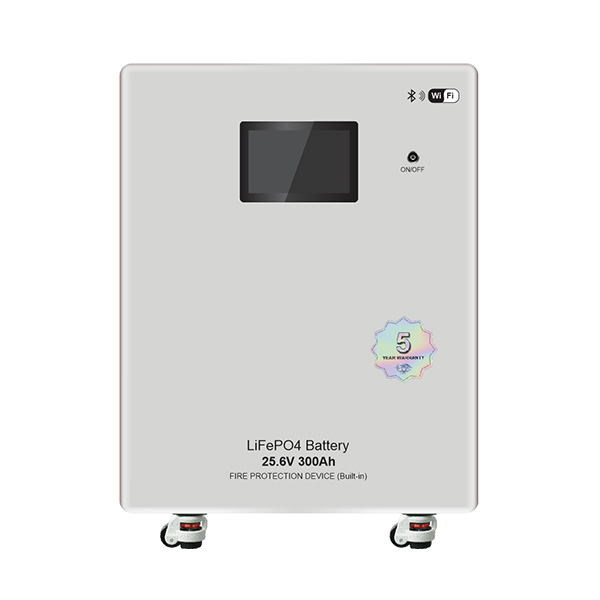
The BMS is where storage projects quietly fail. Two batteries can carry identical capacity ratings and still refuse to talk to the inverter, because the communication protocol differs. Look at the port panel before you buy: our 300Ah model exposes MAIN CAN, RS485 and POWER terminals on the display board, which covers the two buses most hybrid inverters use for battery communication. Then ask the supplier one direct question: which inverter brands has the BMS actually been paired with, and can they send the protocol document. Also confirm the lithium activation method, since many inverters need the battery woken from protection mode on first install. A supplier who answers with a tested brand list is worth one who answers with the word compatible.
The Fire Protection Layer Is Not a Sticker
Fire protection has become a common line on spec sheets, and it means different things to different factories. On our packs it is a physical device mounted inside the enclosure, next to the cells, which is why the label reads FIRE PROTECTION DEVICE (Built-in). When you compare offers, ask what the device is made of, where it sits relative to the cells, and whether it was validated together with the pack or purchased as a generic add-on. Some shipments contain nothing behind the wording except padding. Two photos of the opened enclosure, one showing the device and one showing its position, settle the question in five minutes.
Five Line Items to Compare Before You Wire the Deposit
Put the quotes side by side and score them line by line instead of by price alone:
| Quote Line Item | What Good Looks Like | Red Flag |
|---|---|---|
| Cell specification | Named model, grade, matched batch | Generic 3.2V cells, no grade stated |
| Pack build | Welded busbars, room for cell swelling | Bolted busbars, cells stacked tight |
| BMS protocols | Written list of tested inverter brands | Compatible with most inverters |
| Fire protection | Device type and position described | Label wording only, no detail |
| Warranty terms | Process, spare BMS stock, response time | A number of years with no process |
The warranty row deserves a second look. A 5-year claim only holds if the supplier can replace a failed BMS board in your market within weeks, so ask where spare boards sit and who pays freight on a warranty swap.
Freight Paperwork: UN38.3, IEC 62619 and the Port
Lithium batteries are dangerous goods, and the documents a LiFePO4 battery energy storage supplier China hands over decide whether your container moves or sits at the port. Before signing, ask for the UN38.3 test summary, the MSDS, and confirmation that cartons carry Class 9 marking; for air shipments the state of charge is usually limited to around 30 percent. Where your market requires it, an IEC 62619 report is the document a distributor or installer will ask you for next, so request it in the same round as the UN38.3 summary rather than after production. This is buyer diligence, not distrust: every serious exporter keeps these files ready, and hesitation here predicts slower answers after the deposit. The 25.6V 300Ah floor model on castors ships in reinforced cartons sized for its weight, and pallet configuration is worth confirming at the same time as the documents.
Frequently Asked Questions
How do I verify a LiFePO4 battery energy storage supplier China before paying? Book a live video walk-through and ask to see the processes that would touch your order: cell grading, busbar welding, BMS mating and final electrical test. Then order a sample and cycle it against the published curve. A factory that shows the floor without hesitation rarely has anything to hide; a company that answers with a catalog usually does not own a floor.
What documents should I collect with a 25.6V LiFePO4 battery order? At minimum: the UN38.3 test summary, the MSDS, the packing list with gross weights per carton, and the BMS-to-inverter protocol sheet. If your market requires IEC 62619 or CE reports, add them to the same request. Collecting these before production avoids the awkward position of holding goods you cannot legally ship.
If you are comparing a LiFePO4 battery energy storage supplier China for residential or small commercial projects, Quanshi / Shandong Quanshi New Material Co., Ltd manufactures 25.6V wall-mounted and floor-standing packs in 100, 200 and 300 Ah in Linyi, Shandong, alongside distribution boxes, transformers and hybrid inverters. The company works under ISO 9001 and ships to buyers in more than 50 countries. For quotes, sample requests or the document pack described above, contact lunaquan1989@163.com or call +86 15588163070. For a deeper look at the production side, see our earlier piece on how to vet a home energy storage factory.